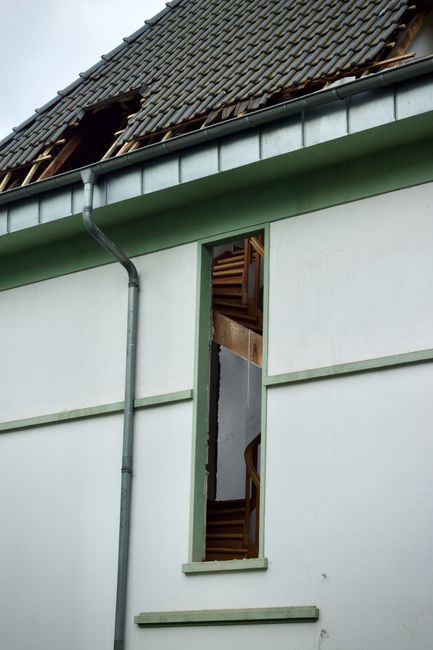
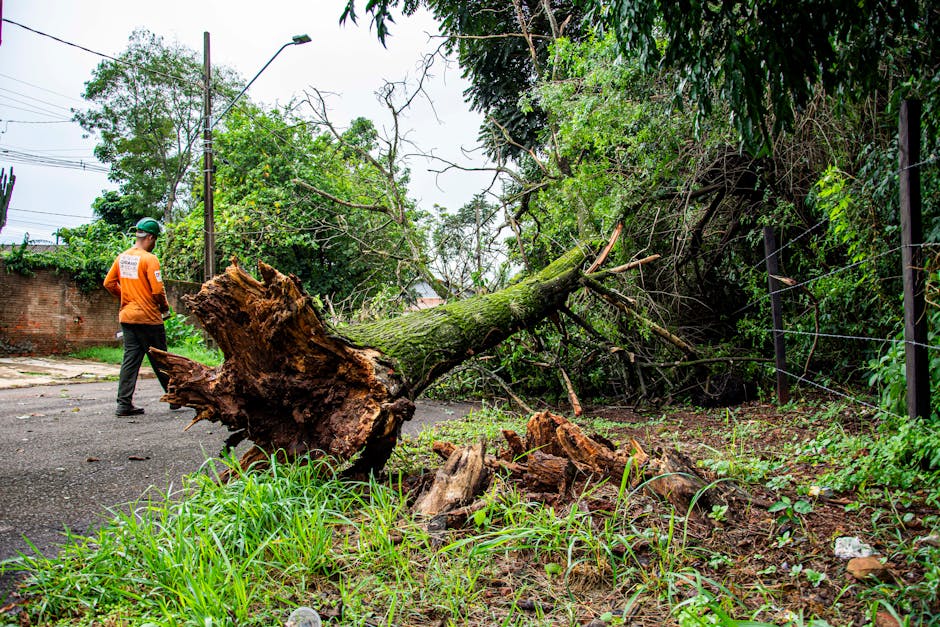
Same day emergency gardeners in Putney for storm damage
Storms do odd things to gardens. One minute everything looks fine, the next you're staring at snapped branches, scattered fencing, toppled pots, and a lawn that looks as if it has taken a small beating. If you need same day emergency gardeners in Putney for storm damage, speed matters, but so does doing the job safely and properly. A rushed tidy-up can easily turn into a bigger problem if unstable trees, hidden debris, or damaged structures are left unchecked.
This guide explains what emergency garden help actually involves, how a same-day response usually works, what to prioritise first, and how to judge whether a job needs urgent attention or can wait until conditions settle. You'll also find a practical checklist, a realistic comparison of response options, and a few mistakes to avoid when the weather has done its worst. Because let's face it, a storm damage garden rarely looks dramatic in just one place; it's often a messy combination of small hazards all over the plot.
Table of Contents
- Why Same day emergency gardeners in Putney for storm damage Matters
- How Same day emergency gardeners in Putney for storm damage Works
- Key Benefits and Practical Advantages
- Who This Is For and When It Makes Sense
- Step-by-Step Guidance
- Expert Tips for Better Results
- Common Mistakes to Avoid
- Tools, Resources and Recommendations
- Law, Compliance, Standards, or Best Practice
- Options, Methods, or Comparison Table
- Case Study or Real-World Example
- Practical Checklist
- Conclusion
- Frequently Asked Questions
Why Same day emergency gardeners in Putney for storm damage Matters
Storm damage in a garden is not just a cosmetic issue. A broken branch over a path, a leaning fence panel, or a waterlogged patch with hidden debris can create immediate safety risks. In Putney, where many gardens are compact and boundaries sit close to walkways, side access, sheds, and neighbouring properties, a damaged garden can become awkward fast. It can also interfere with everyday things like bin access, pets, children playing outside, and safe use of patios or decking.
The value of same-day help is simple: it reduces the window in which the problem can get worse. A snapped limb can shift after a gust. A loose trellis can collapse. A pile of windblown branches can block drainage and trap water. Even if the weather has passed, damp timber and disturbed roots can stay unstable for days. That's why a prompt assessment is often more useful than waiting until the weekend and hoping it sorts itself out. It won't. Not usually.
There's also the practical side. After a storm, the garden often needs more than clearance. It may need hedge trimming, light tree work, lawn recovery, or temporary stabilisation before proper maintenance resumes. If you already use a regular service such as garden maintenance, the emergency visit can be the stopgap that keeps things manageable until a fuller tidy-up can happen.
Expert summary: The real purpose of emergency garden work is not simply to make things look neat. It is to remove immediate hazards, prevent secondary damage, and create a safe starting point for proper recovery.
How Same day emergency gardeners in Putney for storm damage Works
A same-day response is usually organised around triage. In plain English, that means the most urgent hazards are identified first, then the safest and fastest work is done before anything cosmetic. A good emergency gardener will ask for a brief description of the damage, where the problem sits, whether anything is blocking access, and whether there are signs of tree instability or broken structures. That first conversation matters. A lot, actually.
After that, the visit normally focuses on visible risk reduction. This may include removing loose branches, cutting back dangerous overhangs, clearing access routes, gathering debris, and making sure unstable items are not left poised to fall. If the damage is extensive, the work may be split into an initial safety visit and a follow-up service. That approach is often better than trying to do everything in one go while the ground is slippery and the light is fading.
In real terms, the process tends to look like this:
- Initial contact and assessment. You describe the damage and the most urgent concern, such as a fallen branch, blocked path, or damaged fence.
- Same-day prioritisation. The gardener decides what can be safely tackled immediately and what should be left for a fuller visit.
- Risk reduction. Debris is cleared, hazards are isolated, and access is restored where possible.
- Follow-up planning. Any larger restorative work is scheduled, often alongside services like garden clearance or tree lopping and removal if required.
For many homeowners and landlords, the biggest relief is simply hearing a calm, sensible assessment. Not every storm-damaged garden is a crisis. Some parts are annoying rather than dangerous. The difference is in knowing which is which.
Key Benefits and Practical Advantages
Same-day emergency garden support offers more than speed. The right service brings structure to a messy situation and helps you make better decisions when the garden is in disarray.
- Immediate hazard removal: Loose branches, broken stems, and debris can be dealt with before someone trips, slips, or tries to move something too heavy by hand.
- Less follow-on damage: Clearing blocked drains, lifting compacted debris, and propping vulnerable areas can stop a small problem becoming a bigger one overnight.
- Cleaner handover to repair work: If fencing, decking, or landscaped areas are affected, a tidy site makes repairs easier to assess. Services like decking services or landscaping are much easier to plan once the danger is removed.
- Better use of time: Instead of spending hours wrestling with soggy hedge cuttings and awkward branches, you can focus on the bigger picture.
- Peace of mind: Perhaps the biggest benefit, if we're honest. Storm damage can feel strangely overwhelming, and a quick professional response brings the situation back into view.
There's also a subtle benefit people sometimes miss: good emergency gardening work often reveals hidden issues. You might discover a weak fence post, root exposure, or a drainage problem that was previously buried under leaves and overgrowth. That's useful information, not bad news.
Who This Is For and When It Makes Sense
This kind of service is for anyone whose outdoor space has become unsafe, blocked, or difficult to use after bad weather. That includes homeowners, tenants, landlords, letting agents, and property managers. In Putney, where gardens can back directly onto shared access routes or neighbouring plots, even a moderate amount of debris can create a nuisance if it is left too long.
It makes sense to call for same-day help when you notice any of the following:
- Large branches or limbs have fallen and may still be under tension.
- A tree or tall shrub is leaning more than usual.
- Fence panels, trellis, or screening have come loose.
- Paths, drives, or side access are blocked.
- Debris is holding water or clogging drains.
- Broken branches are hanging overhead near a seating area, door, or play space.
- You need the garden made safe before visitors, tenants, or contractors arrive.
If the issue is mostly visual, not urgent, a planned visit may be enough. If you're unsure, ask yourself one simple question: could someone get hurt, or could the damage get worse before tomorrow? If the answer is yes, treat it as urgent.
Step-by-Step Guidance
When a storm has just moved through, it helps to take things in the right order. A little structure goes a long way. Here's a sensible approach.
- Stay out of the danger zone first. Do not stand under damaged trees, loosened branches, or leaning structures. Wet ground can hide soft spots and unstable roots.
- Take a quick visual note. From a safe distance, identify the most obvious risks. A photo or two can help when you speak to a gardener, but only if you can do that safely.
- Separate urgent from non-urgent damage. A hanging limb over a walkway matters more than a shredded plant bed. A broken gate latch is less urgent than a fence panel about to fall.
- Contact an emergency gardener. Explain what happened, where it happened, and whether access is clear. If your garden backs onto narrow side access, say so early. Saves time. Everyone wins.
- Ask what can be done today. The right response may be full clearance, or it may be a safety-first visit followed by a second appointment for tidy-up or restoration.
- Keep pets and children away. Even after the obvious debris is removed, the area may still have sharp fragments, exposed roots, or unstable timber.
- Schedule any follow-up work. This may involve hedge trimming, lawn repair, or a broader maintenance plan with services overview support once the garden is safe again.
A small real-world point: if a storm hits late in the evening, don't try to "just fix it quickly" in the dark with a torch and a pair of blunt loppers. That route tends to end badly. Better to secure the area and deal with it properly in daylight.
Expert Tips for Better Results
The best emergency garden responses are calm, practical, and a bit unglamorous. They're about reducing risk and preserving as much of the garden as possible.
- Work from the safest point outward. Clear obvious trip hazards before touching any branch that looks loaded or twisted.
- Don't pull hung-up branches. A branch caught in another tree or fence can spring back unexpectedly. It's one of those jobs that looks simple until it isn't.
- Check for hidden weight. Rain-soaked debris is heavier than it looks, and mixed organic waste can shift awkwardly when lifted.
- Think about drainage early. If leaves, twigs, and mulch have blocked water flow, clearing that first helps prevent pooling and damp damage.
- Use the storm as an inspection moment. Weak joints, sparse hedge sections, and leaning supports are easier to notice once the garden has been disturbed.
- Ask about longer-term resilience. Sometimes the smartest follow-up is not another emergency call, but a planned maintenance routine and better planting or structural choices later on.
If you're comparing providers, look beyond speed alone. A gardener who arrives quickly but leaves sharp debris behind has not really solved the problem. The goal is safe, practical recovery, not a rushed sweep and a smile.
Common Mistakes to Avoid
Storm damage is stressful, and stress makes people improvise. Fair enough. But a few common mistakes can turn a manageable job into a messy one.
- Ignoring "small" hazards. A short branch on the lawn can still be a trip risk, especially at night or in wet weather.
- Trying to cut unstable trees without assessment. If a tree is leaning, split, or hanging on another structure, that is not a casual DIY job.
- Using the wrong tools. Regular garden shears are not the answer to storm-damaged woody growth. Sometimes that's obvious. Sometimes, not so much.
- Leaving debris in piles for later. Wet piles attract more mess, can block access, and are harder to move once compacted.
- Forgetting boundary issues. If damage affects a shared fence line or a neighbour's side, communicate early and keep the area tidy.
- Not checking insurance or property responsibilities. You don't need to overcomplicate it, but it helps to know whether the damage is your responsibility, part of a landlord issue, or tied to a neighbouring structure.
And one more, perhaps the biggest: don't assume everything needs replacing straight away. Sometimes a panel can be secured, a hedge can be cut back carefully, or a garden can be made safe without a full rebuild.
Tools, Resources and Recommendations
For emergency garden work, the right tools depend on the damage, but the priorities are usually the same: safe cutting, controlled lifting, clean removal, and sensible containment. In many cases, the job may require saws, loppers, secateurs, tarpaulins, gloves, eye protection, and waste containers or vehicle loading for green waste.
From a homeowner's perspective, the most useful "resources" are not gadgets. They're decisions. Keep the following in mind:
- Photographs taken safely: useful for explaining the problem and tracking what changed after the storm.
- Basic access information: gate width, side return access, parking constraints, and any locked entry points.
- Property notes: mention sheds, decking, ponds, cables, or delicate planting that should be worked around.
- Waste planning: if the job involves a lot of green waste, ask how it will be removed and handled.
- Follow-up maintenance: if the storm exposed broader growth issues, consider ongoing care rather than one-off fixes. A steady programme of garden maintenance and hedge trimming can make a garden less vulnerable next time.
For safety-conscious property owners, the site pages on health and safety policy and insurance and safety are worth understanding too. They help set expectations about responsible working practices, which matters when the weather has already made everything a bit unpredictable.
Law, Compliance, Standards, or Best Practice
This topic touches safety, property care, and sometimes tree work, so a careful approach is sensible. You do not need to become a technical expert to make a good decision, but you should expect emergency garden work to follow common UK best practice around safe working, careful waste handling, and respect for neighbouring property boundaries.
Where trees, large branches, or unstable structures are involved, professionals should assess the risk before cutting. That includes checking whether the work can be done safely from the ground, whether anything could fall unexpectedly, and whether the area below needs to be kept clear. In practical terms, the standard is simple: don't create a second hazard while removing the first.
For garden waste, responsible disposal matters. Wet green waste, broken timber, and storm debris should be handled in a way that keeps the site tidy and avoids unnecessary mess. If a provider mentions sustainability or recycling, that is a good sign, especially when the job generates more material than expected. The page on recycling and sustainability can help you understand that wider approach.
One more thing worth saying plainly: if a tree or branch appears to be affecting a boundary, roofline, or shared access, it may need extra caution before anything is touched. Good practice is usually to stabilise, assess, and communicate first, then remove or trim in a controlled way. No heroics required.
Options, Methods, or Comparison Table
Not every storm-damaged garden needs the same response. The right option depends on how serious the damage is, how much access is available, and whether the problem is mainly about safety or appearance.
| Option | Best for | What it usually includes | When it is not enough |
|---|---|---|---|
| Emergency same-day visit | Immediate hazards, blocked access, fallen debris | Rapid clearance, hazard reduction, safe access restoration | Large-scale rebuilding or full redesign |
| Garden clearance | Heavy debris, widespread mess, post-storm bulk removal | Collection, loading, removal of organic waste and loose material | If branches are still unstable or dangerous overhead |
| Tree lopping and removal | Damaged trees, split limbs, unsafe overhangs | Controlled pruning or removal of risky growth | If the issue is mainly surface-level litter and minor cuttings |
| Planned maintenance visit | Minor storm effects, tidy-up, recovery over time | Cutting back, re-shaping, lawn repair, general upkeep | When the garden is too unsafe to wait |
In practice, the most sensible response is often a combination. You might start with emergency clearance, then move into maintenance, and finally look at long-term improvements through landscape gardening or wider service options if the storm exposed repeated weak spots.
Case Study or Real-World Example
Here's a simple, realistic example. A Putney homeowner wakes up after a windy night to find a long branch across the side path, a heap of shredded leaves around the patio, and one fence panel pushed loose near the bin store. The garden is still usable from the back door, but the side access is blocked, and the branch is resting awkwardly against a smaller tree.
Rather than trying to drag everything out by hand, they call for same-day emergency help. The first visit focuses on safety: the branch is assessed, cut down in sections, and cleared without disturbing the smaller tree beneath it. Loose debris is removed from the path, and the damaged fence panel is made safe enough to prevent it dropping into the neighbour's side. The lawn is left a bit battered, but accessible. That matters more than perfect neatness on day one.
A few days later, once the ground has dried, the owner arranges a follow-up visit to deal with the lawn edges, the hedge line, and a broader tidy-up. Not dramatic. Just sensible. And that is usually what works best after storm damage: the first job is safety, the second is recovery, and only then do you think about appearance.
That sort of sequence is often far cheaper and calmer than waiting until several damaged areas have deteriorated at once. Truth be told, gardens rarely appreciate being ignored after a storm.
Practical Checklist
Use this quick checklist if you think your garden needs urgent attention after stormy weather.
- Keep people and pets away from damaged areas.
- Look for hanging branches, leaning trees, or unstable panels.
- Check whether paths, exits, or bin access are blocked.
- Notice any signs of water pooling or blocked drainage.
- Take safe photos only if you can do so without entering danger zones.
- Describe the issue clearly when you request same-day help.
- Ask whether the first visit will be safety-only or a full tidy-up.
- Confirm whether larger follow-up work may be needed later.
- Keep an eye on nearby structures, fences, and decking for movement.
- Arrange a proper clean-down once the area is safe again.
If you are dealing with mixed storm damage, it can also help to think in layers: what is dangerous, what is blocking access, what is merely messy, and what can wait. That order keeps decisions simple.
Get a free quote today and see how much you can save.
Conclusion
Storm damage is never convenient, and gardens can look worse before they look better. But with the right response, most situations become manageable very quickly. Same-day emergency garden help is about restoring safety, clearing access, and giving you a clear next step instead of a muddle of broken branches and half-formed plans.
If your Putney garden has taken a hit, start with the risks, not the cosmetics. Make the space safe, then sort the rest in a sensible order. That approach saves time, reduces stress, and usually protects the garden better in the long run. Small steps, properly done, make a real difference.
And if the wind has left things looking a bit bleak for now, don't worry too much. Gardens recover. Often faster than people expect.
Frequently Asked Questions
What counts as an emergency after storm damage in a garden?
An emergency usually means there is an immediate safety risk, blocked access, or damage that could get worse if left overnight. Hanging branches, leaning trees, and loose fencing are common examples.
Can a same-day gardener remove fallen branches safely?
Yes, if the branches are accessible and not under tension or connected to unstable tree limbs. If there is any doubt, the area should be assessed first so the work can be done safely.
Do I need emergency help if the garden only looks messy?
Not always. If the issue is purely cosmetic and nothing is unsafe, a planned tidy-up may be enough. But if debris is blocking access or hiding hazards, quicker action makes sense.
What should I do before the gardener arrives?
Keep people and pets away from the damaged area, avoid touching unstable branches, and make a note of access details. If you can safely take photos from a distance, that can help too.
Will emergency garden work include full clearance?
Sometimes yes, but not always. The first priority is usually safety. Full clearance may happen on the same day if conditions allow, or it may be planned as a follow-up visit.
How do I know if a tree is too dangerous to handle myself?
If a tree is leaning, split, caught on another structure, or visibly unstable, it is best left alone. Wind-damaged trees can shift without warning, especially in wet conditions.
Is storm damage garden work different from ordinary garden maintenance?
Yes. Emergency work focuses on hazards, access, and immediate control of the situation. Ordinary maintenance is about regular care, shaping, and long-term garden health.
Can emergency gardeners help with fences and decking too?
They can often make damaged areas safe and advise on next steps. For more involved repair or improvement work, related services such as decking services or broader landscaping may be more suitable.
What if storm debris is mixed with soil, leaves, and broken timber?
That is common after heavy weather. Mixed debris usually needs a careful sort so unsafe pieces are removed first and waste can be handled cleanly without leaving sharp fragments behind.
How quickly should I call after a storm?
As soon as it is safe to do so. If there is obvious danger, access blockage, or a chance of further collapse, earlier contact is better than waiting for the situation to worsen.
Can same-day emergency gardeners also advise on longer-term garden recovery?
Yes. A good service will often explain what should be done immediately and what can wait, including hedge work, lawn repair, tree care, or a future maintenance plan.
What makes a good emergency gardening service worth choosing?
Clear communication, safe working practices, practical judgment, and a sensible plan for both the urgent fix and the follow-up. Fast is good. Safe and thoughtful is better.
Where can I learn more about the company and its wider services?
You can explore the company's about us page, review pricing and quotes, or use the contact page if you are ready to discuss the damage and what needs doing next.